See how your business runs. Then fix what slows it.
Partners who have run operations audit how work comes in, gets done, gets billed and gets paid. Then we fix the gaps with your people and coach your managers until the new way holds.
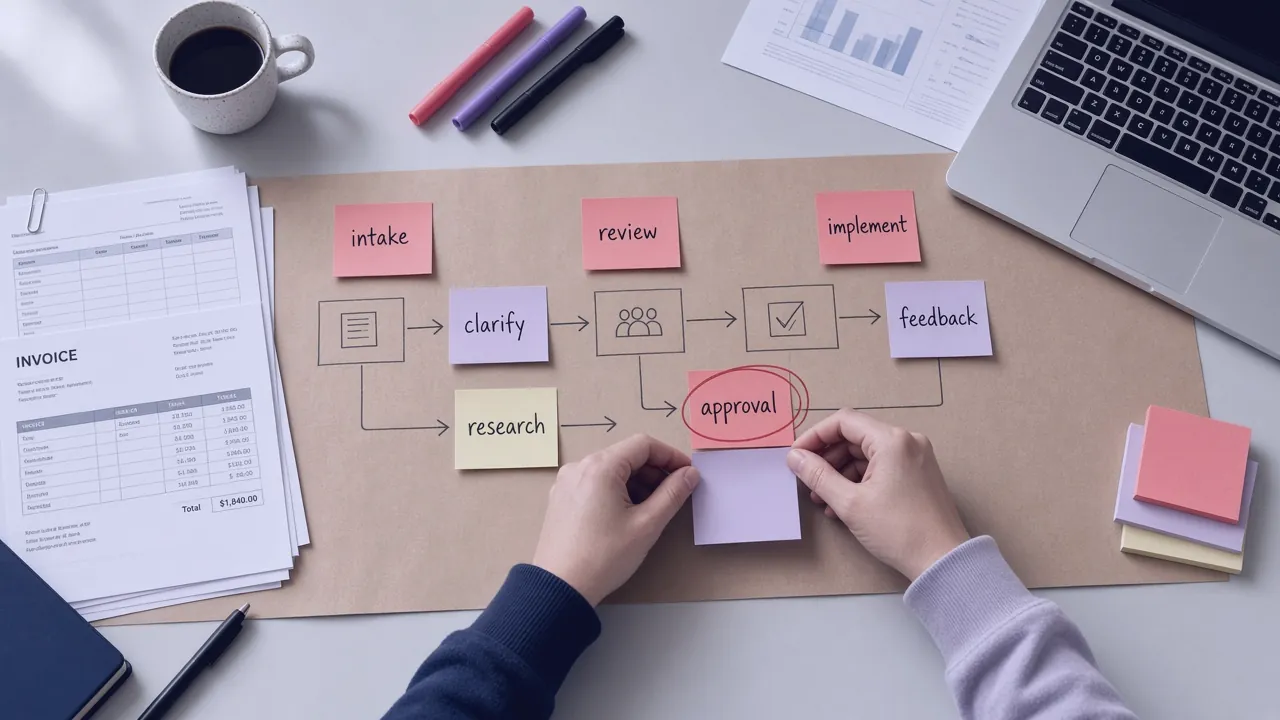 Mapping a process
The whole business. Not one process.
An audit follows the work from the first call to the money in the bank. We walk through each of these areas with the people who do the work, not only the managers.
Sales and intake
- How leads come in and who answers them
- How quotes get written and followed up
- What gets written down at the sale
Delivery and scheduling
- How jobs get booked and assigned
- What staff or crews get before they start
- How changes and delays get passed on
Purchasing and inventory
- Who can buy what, and who approves it
- How stock gets counted and reordered
- What gets bought twice or too late
Billing and cash
- How finished work turns into an invoice
- How long invoices take to go out
- How payments get chased and recorded
People and roles
Who owns each step, where work passes between people and teams, and what depends on one person.
Tools and reporting
The software and spreadsheets in use, where information gets retyped or lost, and how the owner gets the numbers.
- Every gap priced in time and dollars
- Fixes ranked by payback
- You choose what gets fixed first
One job, from first call to paid invoice.
A made up small service business with an owner, an office manager and two crews. The red marks are the handoffs where information got lost. The bottom row is the same job after the fix.
The owner takes the call and writes notes on paper.
Every call goes into one intake form, with a person named to follow up.
The quote is typed up at night from those notes.
The quote is built from the intake form and followed up after two days.
The office writes it on a wall calendar and texts the crew.
The job goes on a shared schedule the crew can see on their phones.
The crew finds missing parts on site and drives to the supplier.
The parts list from the quote goes to purchasing when the job is booked.
Extra work is agreed with the customer by phone and not written down.
Extra work goes on a change form the customer signs on site.
The office retypes the job from the quote and misses the extra work.
The invoice is built from the quote and the change forms, and sent that week.
Nobody owns chasing unpaid invoices.
The office manager owns collections and checks unpaid invoices every Monday.
Customer details lived on paper with the owner. Now they live in one form anyone in the office can open.
The parts list never reached the person who buys. Now booking a job sends it to purchasing.
Extra work agreed on site never reached the invoice. Now it is on a signed form the office bills from.
No one was responsible for collections. Now one person is, with a weekly check.
Audit, map, fix, coach. Then we check back.
The audit is a fixed price. Each fix after it is priced before it starts, so you choose what to fund, with the numbers in front of you.
Audit
We walk the floor, sit with the people doing the work, read the paperwork and look at every tool and spreadsheet. We follow real jobs from first call to payment.
- A written findings report in plain words
- Each gap priced in time and dollars
- Fixes ranked by payback

Map
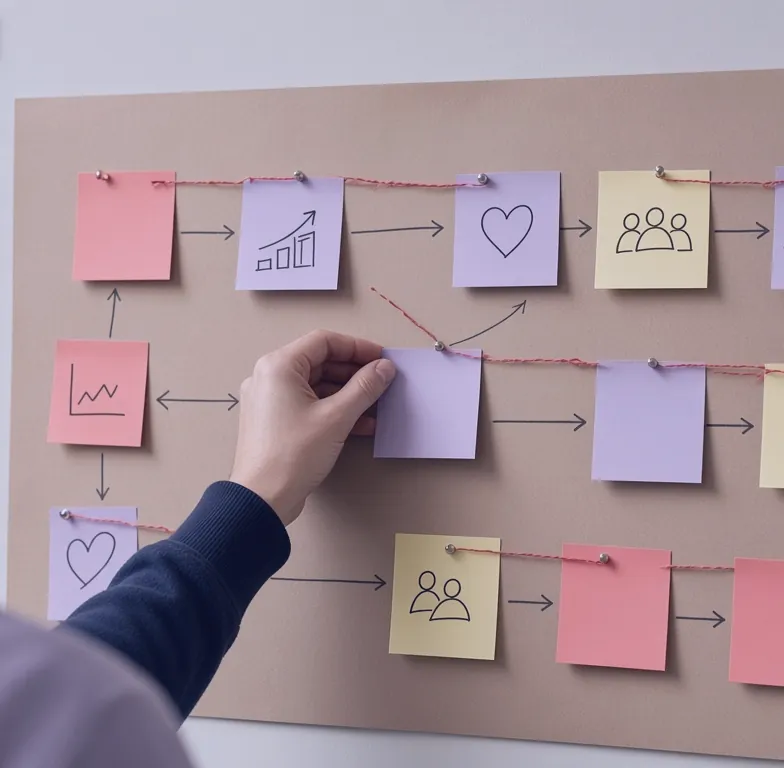
We map each process with the people who run it, with how it works today next to how it should work. Bottlenecks and handoffs are marked right on the map.
- Current and proposed process maps
- A list of bottlenecks, each with an owner
Fix
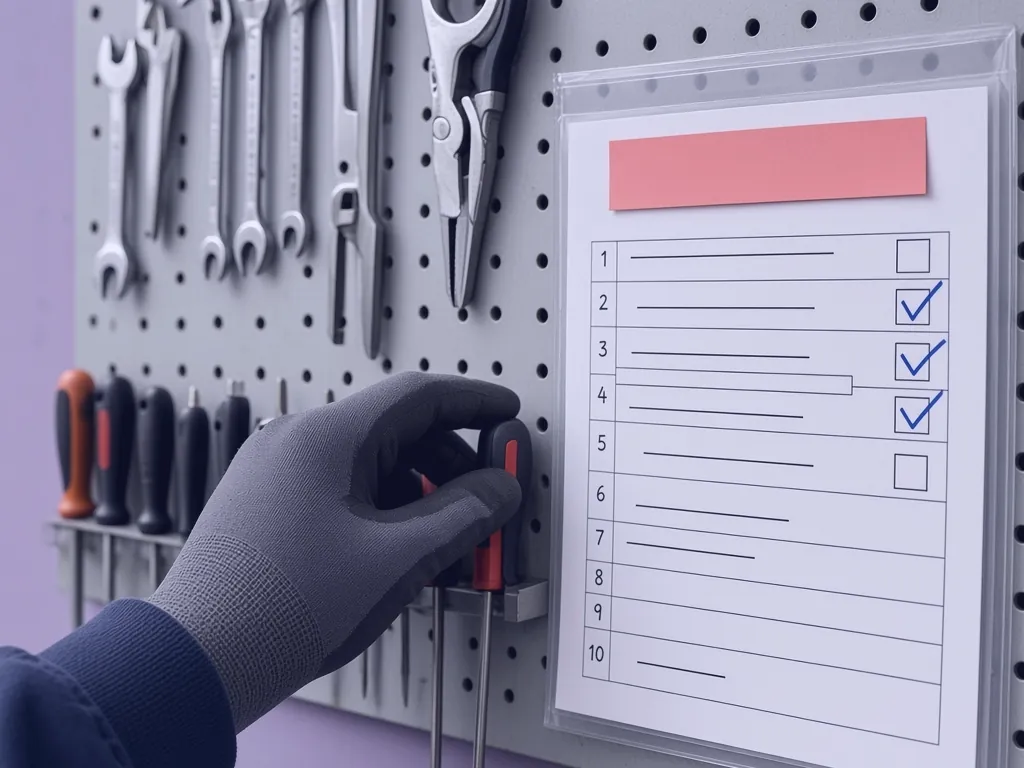
We redesign the steps, set who owns what, write the procedures and checklists, and pick or fix the tools. When a fix needs software, IT or AI, our own teams build it.
- A chart of who owns what
- Short written procedures and checklists
- Tools set up or connected
Coach
We coach the owner and managers through the change and train the team on the new way of working, on the floor where the work happens.
- Coaching for owners and managers
- Training sessions and guides for the team

Follow up
Each change runs with a few people first. We adjust it, then roll it out to everyone. After we hand over, we check back on a schedule you set.
- A tested rollout
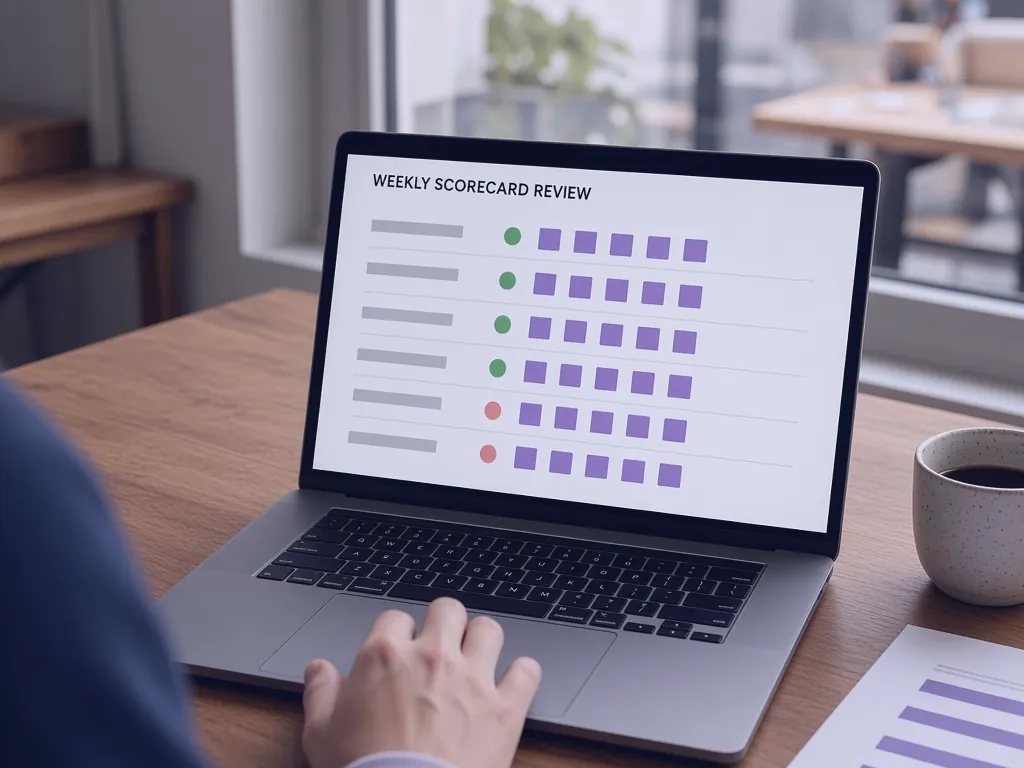
- A weekly scorecard your team runs
- Check ins on your schedule
A few numbers. Watched every week.
We help you pick the handful of numbers that tell you how the business is doing, give each one an owner, and set a meeting rhythm to review them.
Each week the owner of a number marks it on track or off track. Off track numbers get one action and a name.
Today's work, who is on what, and anything blocked.
Each owner reads their number. Off track numbers get an action.
Trends, open fixes, and anything that needs the owner's decision.
Pick the next few things to fix and who leads each one.
We coach the people who keep it running.
A new process only holds if the people running it know how to lead it. We work with your owners and managers during the change, and we leave written guides behind.
One studio, start to finish. The same team that finds the problem can build the tool that fixes it.
- 01
Owners
Step back from the daily work without things falling through. We help you decide what only you should handle and hand the rest to named people.
- 02
Managers
Run the weekly scorecard meeting, hold people to their steps, and solve problems before they reach the owner.
- 03
Teams
Short training on the new procedures, on the job, with checklists they keep using after we leave.
- 04
Interim leadership
When you need an experienced operator in the seat for a while, one of our partners can step in and train the person who takes over.
Questions, answered.
The short version: experienced operators look at the whole business, fix what costs you the most first, and coach your people until the new way holds.
Two partners in the studio: a professional COO and an MBA, both of whom have run operations. The person you meet on the first call is the person on your floor.
The audit maps the gaps in days. Most process fixes land in 4 to 12 weeks, depending on how many systems and people they touch.
The audit is a fixed price for a fixed scope, quoted after one conversation. Fixes after it are priced one at a time, and you pick which ones to fund.
We work around the job, not over it. Each change runs with a few people first, then rolls out to everyone.
Not always. Many fixes are better steps and clear owners. When a tool would help, our software team can build it, but it is your call.
Your people run the new process before we go, the scorecard is yours, and everything is written down in plain language. We check back on a schedule you set.